

Common Issues With Mercruiser Alpha One Gen 1 & Gen 2

Common issues with Mercruiser Alpha One Gen 1 & Gen 2 include water pump failures and shift cable problems. Corrosion and gear wear are also common concerns.

Mercruiser Alpha One Gen 1 & Gen 2 are popular marine drive systems known for their reliability and performance. Despite their robust design, they can encounter several issues that may affect their efficiency. Water pump failures and shift cable problems are frequent, often leading to engine overheating or difficulty in shifting gears.

Corrosion, especially in saltwater environments, can deteriorate parts over time. Regular maintenance and timely inspections can help mitigate these issues, ensuring the longevity and optimal performance of your Mercruiser Alpha One drive system. Addressing these common problems early on can save significant repair costs and prevent potential boating disruptions.

TM-90-116-01 B

Water Pump Issues

The Mercruiser Alpha One Gen 1 & Gen 2 are popular choices for boat owners. These engines are known for their reliability and performance. But, like any mechanical system, they face issues. One common problem area is the water pump. Water pump issues can disrupt the engine’s cooling system, leading to overheating and damage. Understanding these problems can help in maintaining the health of your Mercruiser engine.

Impeller Wear And Tear

The impeller is a crucial component of the water pump. Its job is to move water through the engine to keep it cool. Over time, the impeller can wear out. This happens due to constant contact with water and debris.

Signs of Impeller Wear:

  • Reduced water flow from the cooling system
  • Engine running hotter than usual
  • Unusual noises from the water pump area

Regular inspection of the impeller is important. Look for cracks, missing pieces, or other signs of damage. Replacing a worn impeller can prevent major engine damage. It’s recommended to replace the impeller every season or every 100 hours of operation.

Tips for Impeller Maintenance:

  1. Inspect the impeller during each oil change
  2. Use fresh water to flush the engine after each use
  3. Store the boat in a cool, dry place to prolong impeller life

Water Pump Housing Damage

The water pump housing encloses the impeller and directs water flow. Damage to the housing can disrupt this flow, leading to overheating. Common causes of housing damage include corrosion, debris impact, and improper installation.

Signs of Water Pump Housing Damage:

  • Visible cracks or corrosion on the housing
  • Leaks around the water pump area
  • Decreased water pressure in the cooling system

Inspect the water pump housing regularly for any signs of wear or damage. If you notice any issues, replace the housing immediately. Using high-quality materials for the housing can also prevent damage.

Preventive Measures:

ActionFrequency
Inspect housing for cracksEvery 50 hours of operation
Flush system with fresh waterAfter each use
Check for leaksEvery 100 hours of operation

By staying vigilant and conducting regular inspections, you can avoid serious issues and keep your Mercruiser Alpha One Gen 1 & Gen 2 running smoothly.
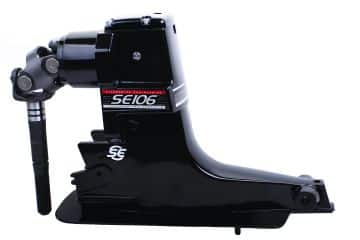
 

Sterndrive Alpha One Generation upper 1 1.47

Gearcase Problems

Boating enthusiasts love Mercruiser Alpha One Gen 1 & Gen 2 for their reliability and performance. But like any mechanical system, they face issues. One common area of concern is the gearcase. This component can suffer from various problems that can affect your boating experience. Let’s explore some of these gearcase problems in detail.

Corrosion In The Gearcase

The gearcase is constantly exposed to water, making it prone to corrosion. Corrosion can weaken the gearcase, leading to severe damage. There are a few common causes of corrosion in the gearcase:

  • Saltwater Exposure: Saltwater is highly corrosive and can eat away at the metal.
  • Electrolysis: When different metals come into contact with water, it can cause an electric current that accelerates corrosion.
  • Lack of Maintenance: Failing to clean and inspect the gearcase regularly allows corrosion to go unnoticed.

Signs of corrosion include:

  • Pitting: Small holes or pits on the metal surface.
  • Discoloration: Metal turning a reddish or brownish color.
  • Flaking: Metal surface peeling away.

To prevent corrosion:

  1. Rinse the gearcase with fresh water after each use.
  2. Use anti-corrosion sprays and coatings.
  3. Check the anodes and replace them if they are worn out.

Lubricant Leakage

Lubricant leakage is another common issue with Mercruiser Alpha One Gen 1 & Gen 2 gearcases. Lubricant is essential for reducing friction and wear. Leakage can lead to significant problems:

Common causes of lubricant leakage include:

  • Damaged Seals: Seals can wear out or get damaged, causing leaks.
  • Cracks in the Gearcase: Physical damage can lead to cracks, allowing lubricant to escape.
  • Improper Installation: Incorrectly installed components can cause leaks.

Signs of lubricant leakage:

  • Oil Slicks: Oil patches on the water surface.
  • Low Lubricant Levels: Frequent need to top up lubricant.
  • Unusual Noises: Grinding or whining sounds from the gearcase.

To address lubricant leakage:

  1. Regularly inspect the seals and replace them if needed.
  2. Check for cracks and repair them promptly.
  3. Ensure proper installation of all gearcase components.

Power Steering Malfunctions

The Mercruiser Alpha One Gen 1 & Gen 2 are popular choices for boat enthusiasts. Yet, power steering malfunctions can cause significant issues. These malfunctions affect the steering response and overall handling of the boat, making it crucial to address them promptly. Below, we explore common issues related to power steering in these models.

Fluid Leaks

Fluid leaks are a common problem in Mercruiser Alpha One power steering systems. Leaks can occur due to worn-out seals or damaged hoses. Identifying a leak early can prevent serious damage.

Here are some common causes of fluid leaks:

  • Worn Seals: Over time, seals can degrade and cause leaks.
  • Damaged Hoses: Hoses can crack or split, leading to fluid loss.
  • Loose Connections: Connections may become loose and leak fluid.

Signs that you might have a fluid leak include:

  • Low Fluid Levels: Regularly check the power steering fluid reservoir.
  • Puddles Under the Boat: Look for fluid puddles where you park your boat.
  • Steering Noise: Unusual noises can indicate fluid loss.

Addressing these issues promptly can save you from expensive repairs. Regular maintenance checks can help you spot leaks early.

Steering Control Difficulties

Steering control difficulties can make handling your boat a challenge. These difficulties can arise from various issues within the steering system.

Common causes of steering control problems include:

  • Air in the System: Air bubbles can disrupt fluid flow and affect steering.
  • Faulty Power Steering Pump: A failing pump can lead to hard steering.
  • Worn Steering Cable: A frayed or stretched cable can hinder control.

Symptoms of steering control difficulties include:

  • Hard Steering: If turning the wheel feels stiff, you might have a problem.
  • Jerky Movements: Steering should be smooth; jerky motions indicate an issue.
  • Unresponsive Steering: Delayed response when turning the wheel can signal trouble.

Regular inspections and timely maintenance of the power steering system can help you avoid these steering control difficulties. Proper care ensures your boat remains safe and enjoyable to operate.

Engine Overheating

The Mercruiser Alpha One Gen 1 & Gen 2 engines are popular for their reliability and performance. However, one common issue many boaters face is engine overheating. Overheating can lead to serious engine damage, impacting your boating experience. Understanding the causes of overheating can help prevent costly repairs and downtime on the water.

Thermostat Issues

A malfunctioning thermostat is a frequent cause of engine overheating. The thermostat regulates the engine’s temperature by controlling the flow of coolant. If the thermostat fails, it can either stay open or closed, causing problems.

  • Stuck Open: The engine may run too cool, affecting performance.
  • Stuck Closed: The engine can overheat quickly, risking severe damage.

Regularly inspecting the thermostat can help avoid these issues. It is advisable to replace the thermostat every few years or if you notice any signs of malfunction.

SymptomPossible CauseSolution
Engine runs too coolThermostat stuck openReplace the thermostat
Engine overheats quicklyThermostat stuck closedReplace the thermostat

Regular maintenance of the thermostat can prevent these issues and keep your engine running smoothly.

Cooling System Blockages

Blockages in the cooling system can also cause the engine to overheat. Debris such as seaweed, algae, or sand can clog the water intake. This blockage restricts the flow of cooling water, leading to overheating.

Here are some common causes of blockages:

  • Debris in Water Intake: Regularly check and clean the water intake to prevent debris buildup.
  • Clogged Water Pump: Inspect and clean the water pump impeller and housing.
  • Dirty Heat Exchanger: Clean the heat exchanger to ensure efficient heat transfer.

Performing regular checks on the cooling system components can help identify and resolve blockages early. Use a hose to flush out any debris from the water intake. Replace the water pump impeller every season to ensure proper operation.

ComponentCommon IssueMaintenance Tip
Water IntakeDebris buildupRegularly check and clean
Water PumpClogged impellerInspect and replace impeller annually
Heat ExchangerDirty finsClean periodically

By keeping the cooling system free of blockages, you can prevent engine overheating and ensure a smooth boating experience.

Electrical System Failures

The Mercruiser Alpha One Gen 1 and Gen 2 are popular choices for boat owners. They are known for their reliability and performance. But, like any mechanical system, they can face issues. One common problem area is the electrical system. Electrical system failures can disrupt your boating experience. Understanding these issues can help you troubleshoot and maintain your boat better.

Ignition Switch Problems

The ignition switch is a crucial component of your boat’s electrical system. When it fails, your boat won’t start. Here are some common ignition switch problems:

  • Corrosion: Water exposure can cause corrosion. This can affect the switch’s electrical contacts.
  • Wear and Tear: Frequent use can wear out the switch. This leads to poor connections.
  • Faulty Contacts: Broken or loose contacts can prevent the switch from working.

Signs of ignition switch problems include:

  • Engine not starting
  • Intermittent power loss
  • Difficulty turning the key

To prevent these issues, keep the ignition switch dry. Regularly inspect and clean it. If you notice any problems, replace the switch immediately.

Faulty Wiring Connections

Faulty wiring can cause major headaches. It can lead to electrical shorts, power loss, and even fire hazards. Common wiring issues include:

  • Loose Connections: Vibration can cause wires to become loose. This leads to poor electrical contact.
  • Corroded Wires: Exposure to moisture can corrode wires. This affects their conductivity.
  • Damaged Insulation: Worn or damaged insulation can expose wires. This increases the risk of shorts.

To identify faulty wiring connections, look for these signs:

  • Flickering lights
  • Burnt smell
  • Intermittent power loss

Perform regular inspections of your boat’s wiring. Use a multimeter to check for continuity. Replace any damaged or corroded wires. Ensure all connections are tight and secure.

Propeller And Shaft Concerns

The Mercruiser Alpha One Gen 1 & Gen 2 are popular choices for boaters. Despite their robust performance, these engines have common issues. One of the main concerns is with the propeller and shaft. Understanding these issues can help in maintaining your engine’s performance.

Propeller Damage

The propeller is crucial for your boat’s movement. Propeller damage can lead to reduced performance and efficiency. Here are some common causes and signs of propeller damage:

  • Debris Impact: Hitting debris in the water can bend or chip the propeller blades.
  • Corrosion: Saltwater can corrode the propeller, especially if it’s made of aluminum.
  • Wear and Tear: Over time, regular use can cause the propeller to wear out.

Signs of a damaged propeller include:

  • Vibrations: Increased vibrations when the engine is running.
  • Reduced Speed: Noticeable drop in boat speed.
  • Strange Noises: Unusual noises from the rear of the boat.

Regular inspection and maintenance can prevent severe damage. Check for bent blades, cracks, and corrosion regularly. Replace the propeller if you notice significant damage.

Alignment Troubles

Proper alignment of the propeller shaft is essential for smooth operation. Alignment troubles can cause serious issues, including:

  • Increased Wear: Misalignment leads to increased wear on the engine and propeller.
  • Vibrations: Misaligned shafts cause excessive vibrations.
  • Damage to Bearings: Misalignment can damage the bearings and other components.

To check for alignment issues:

  1. Inspect the propeller shaft for bends or damage.
  2. Check the engine mounts and ensure they are secure.
  3. Use an alignment tool to verify proper alignment.

Regular maintenance can prevent alignment problems. Ensure the propeller shaft is straight and the engine mounts are in good condition. If you notice unusual vibrations or noises, check the alignment immediately.

Preventive Maintenance Tips

Mercruiser Alpha One Gen 1 and Gen 2 engines are popular choices for boaters. These engines are reliable but can face common issues if not maintained properly. Regular preventive maintenance can keep them running smoothly and avoid costly repairs. Below are some crucial tips to help you with preventive maintenance.

Regular Inspection And Cleaning

Inspecting and cleaning your engine regularly can prevent many common issues. Look for signs of wear and tear, rust, and leaks. Keep the engine and its components clean to ensure optimal performance.

  • Visual Inspection: Check for cracks, rust, and loose parts.
  • Check Fluid Levels: Ensure oil, coolant, and other fluids are at optimal levels.
  • Inspect Belts and Hoses: Look for signs of wear and replace if necessary.

Cleaning is equally important. Saltwater can cause corrosion, so it’s crucial to rinse the engine with fresh water after each use.

ComponentInspection Frequency
BeltsEvery 50 hours
HosesEvery 50 hours
Fluid LevelsBefore each use

Regular cleaning and inspection can help you spot issues early, preventing more significant problems.

Proper Lubrication Practices

Proper lubrication is essential for your engine’s longevity. Lubricate moving parts to reduce friction and wear. Use the recommended lubricants for your engine model.

  1. Engine Oil: Check and change the engine oil as per the manufacturer’s guidelines.
  2. Grease Fittings: Apply marine-grade grease to all fittings.
  3. Prop Shaft: Lubricate the prop shaft regularly to avoid corrosion.

Here is a quick guide for lubrication:

PartLubricantFrequency
Engine OilMarine Engine OilEvery 100 hours
Grease FittingsMarine GreaseEvery 50 hours
Prop ShaftMarine GreaseEvery 100 hours

Following these lubrication practices will ensure your engine runs smoothly and lasts longer.

Frequently Asked Questions

What Is The Most Common Problem With A Mercruiser?

The most common problem with a MerCruiser is overheating. Regular maintenance and checking the cooling system can prevent this issue.

What Is The Difference Between Alpha 1 Gen 1 And Gen 2?

Alpha 1 Gen 1 and Gen 2 differ in performance and features. Gen 2 offers improved speed, better graphics, and enhanced battery life.

Is The Alpha One Outdrive Any Good?

Yes, the Alpha One outdrive is reliable and efficient. It offers great performance, durability, and ease of maintenance. Boaters appreciate its smooth operation and fuel efficiency.

What Years Are Gen One On Mercruiser Alpha One?

Gen One MerCruiser Alpha One models were produced from 1983 to 1990. These years mark the first generation.

Conclusion

Identifying common issues with Mercruiser Alpha One Gen 1 and Gen 2 helps ensure smoother boating experiences. Regular maintenance and timely repairs are crucial. Addressing problems early can save time and money. Keep an eye on your engine’s performance for a trouble-free ride.

Stay proactive and enjoy the water with confidence.
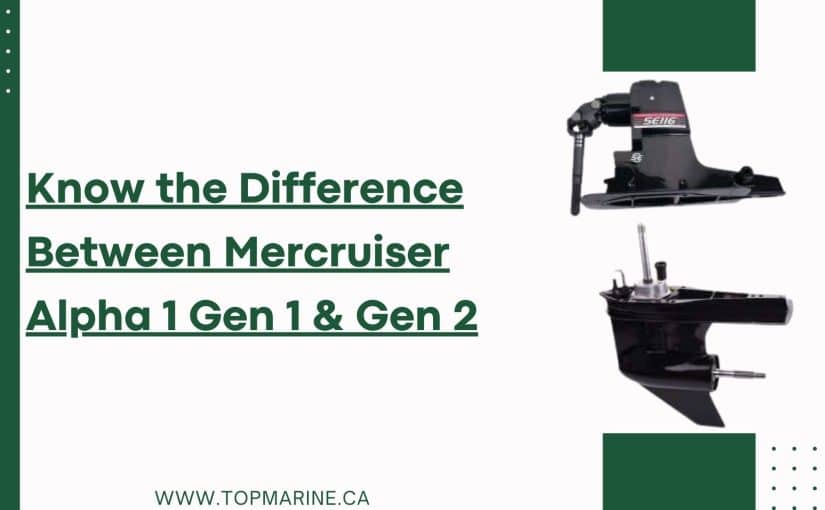
Know the Difference Between Mercruiser Alpha 1 Generation 1 & Mercruiser Alpha 1 Generation 2

Choosing the right outdrive for your boat is crucial for optimal performance and longevity. Mercruiser Alpha Generation 1, launched in the early 1980s, established itself as a reliable and cost-effective choice. Over time, advancements led to the development of the Mercruiser Alpha Generation 2.

This newer model boasts significant improvements in design and materials. Enhanced durability, better water flow, and easier maintenance are key features of Gen 2. Boaters often prefer Gen 2 for its upgraded performance and longer lifespan. Understanding these differences helps you make an informed decision for your marine needs.


Can you interchange the drive units of Alpha One Gen 1 and Gen 2?

The drive units of Alpha One Gen 1 and Gen 2 are not interchangeable. The Gen 2 was redesigned to improve performance, so its components are specific to its design. Using the wrong drive unit can cause mechanical issues and diminish the drive’s overall functionality.


Sterndrive Alpha One Generation 2 1.47

Overview of Mercruiser Alpha Generation 1

The Mercruiser Alpha Generation 1, introduced in the 1970s to 1991, set a standard for recreational boating sterndrives. This model became popular due to its affordability.

Key Features:

  • Gear Ratio: The Alpha Gen 1 typically uses a 1.94:1 or 1.47:1 gear ratio, providing decent acceleration and top speed performance.
  • Shift Mechanism: Features a cable shift system known for its durability.
  • Cooling System: Equipped with a raw water cooling system, it includes an impeller that pumps water from the lake or sea.

Construction:

The Alpha Gen 1 has an aluminum casing, which makes it lightweight and resistant to corrosion. The design is compact, allowing for easy maintenance and repairs.

Performance:

It offers reliable performance for small to mid-sized boats. Many boat owners appreciate its sturdy build and consistent operation over the years.

Maintenance:

Regular maintenance includes checking the gimbal bearing, u-joints, and water pump. Parts are widely available, making it easy to find replacements when needed. Fluids should be changed annually to prevent corrosion and damage.


Overview of Mercruiser Alpha Generation 2 

The Mercruiser Alpha Generation 2 offers several improvements over its predecessor. Introduced in 1991, this model boasts enhanced efficiency and reliability. 

Key Features: 

  • Improved Fuel Economy: Alpha Gen 2 is designed for better fuel efficiency, helping boaters save on fuel costs. The design changes reduce drag and improve overall performance. 
  • Redesigned Shift Mechanism: The shift mechanism is easier to handle, allowing for smoother transitions between gears. This makes the boat more responsive and easier to control. 

Structural Differences: 

  • Shift Lever: One noticeable difference is the shift lever, which has been redesigned for better durability and operation. This is a visible change that users can identify.
  • Gear Ratio: The Alpha Gen 2 introduced a 2.0:1 gear ratio, which replaced the older 1.94:1 ratio. This adjustment helps in better handling and performance at various speeds. 

Maintenance and Parts: 

When ordering parts for the Alpha Gen 2, it is important to note the changes in design. Parts like the gimbal bearing and impeller kits are different compared to the Gen 1. Ensure compatibility to avoid installation issues. 

All the tools and parts for the Mercruiser Sterndrive can be found in topmarine.ca 

The Mercruiser Alpha Generation 2 stands out for its efficiency, durability, and user-friendly features. These enhancements make it a preferred choice for many boaters who seek reliable and efficient performance.


Comparison Overview 

From Gen 1 To Gen 2: What Changed? 

The Alpha Generation 1, launched in the 1970s, was known for its strong and durable construction. However, there was room for improvement. To meet the demand for a more efficient drive, the Alpha Generation 2 was developed. 

Feature Alpha Gen 1 Alpha Gen 2
DesignSimplerMore streamlined
Gear Lube Monitor BottleMissingPresent
Water Pump DurabilityHighHigher
Trim CylinderHeld on with nutsConnected to Outdrive via C-clips
Trim Ram MountFar from the rear, attached with a nutA few inches from the rear,

attached with an e-clip

Lower EdgeVertical skeg with a soft edgeSlanted skeg with a pointed edge
MaintenanceModerateLower
PerformanceGreatImproved


Comparing Physical Structures 

The Alpha Gen 1 has a more basic design. It uses fewer parts and simpler components. This makes it easier to maintain but limits its capabilities.  The Alpha Gen 2 features a more advanced structure. It includes better materials and refined engineering. This results in improved durability and performance.

Feature Alpha Gen 1 Alpha Gen 2
Materials Basic metals Advanced alloys
Number of Parts Fewer More, but more efficient
Design ComplexitySimplerMore complex but better engineered

Ease Of Installation 

Installing both Mercruiser Alpha Generation 1 and Generation 2 is straightforward. Here is a comparison: 

Aspect Alpha Generation 1 Alpha Generation 2
Weight Light Moderate
Tools Required Basic Tools Basic Tools
Time 1-2 hours 2-3 hours


Common Issues And Troubleshooting 

Both the Mercruiser Alpha Generation 1 and Mercruiser Alpha Generation 2 are popular sterndrives. Each has its own set of issues. This section will help you identify and troubleshoot common problems. We will look at typical issues for both generations. 

Issue Gen 1 Gen 2
Water Intrusion Common Less Common
Shift Cable Issues Frequent Rare
Corrosion High Moderate
Gimbal Bearing Failure Less Common Common
Water Pump Issues Rare Frequent
Propeller Shaft Seal Leaks Rare Frequent

Design and Construction 

The Mercruiser Alpha Generation 1 and Alpha Generation 2 have several differences in their design and construction. These include changes in materials, gear ratios, and transom assemblies, which impact their performance and durability. 

Material Improvements 

In the Alpha Generation 2, Mercruiser made noticeable improvements in materials. For instance, they utilized more corrosion-resistant alloys. This improvement helps extend the lifespan of the stern drive, particularly in saltwater environments. They also enhanced the

construction of seals and gaskets to minimize water intrusion. This reduces maintenance needs. Improved bearings and gears are used in the Generation 2, These improvements lead to better reliability and smoother operation compared to its predecessor. 

Gear Ratio Options 

Mercruiser introduced different gear ratios in the Alpha Generation 2 that were not available in the Generation 1. The Generation 2 can come with a 2.0:1 gear ratio, which replaced the previous 1.94:1 ratio. This change offers better torque and higher efficiency for various boat sizes and applications. The variety of gear ratios 1.47 to 1.94 makes the Generation 2 more adaptable  for different performance needs. Whether for increased speed or enhanced power, the  Generation 2 caters to a range of boating requirements 

Transom Assemblies 

The transom assembly of the Alpha Generation 2 features significant upgrades over the Generation 1. The Generation 2 is built stronger to handle heavier and more powerful engines. It also has better gimbal rings and housings, making it structural overall. The shift linkage in the Generation 2 is designed for smoother and more precise shifts, reducing the likelihood of mechanical issues common in the Generation 1. This makes it a better choice for heavy use. 

For more detailed comparisons, you can refer to the comprehensive analysis on Alpha One Generation 1 vs Generation 2


Performance Comparisons 

The Mercruiser Alpha Gen 1 and Gen 2 models have key differences in acceleration, fuel efficiency, and handling. These changes are made to make using the water more enjoyable for everyone. 

Acceleration and Top Speed 

The Alpha Gen 2 features a redesigned gear ratio which improves acceleration. This is crucial for activities like water skiing or towing where quick starts are important. 

Top speed capabilities are also slightly better in the Gen 2, attributed to its efficient power transfer. People who want to maximize performance are a better choice for them. The smoother gear shifts in the Gen 2 also contribute to a seamless acceleration experience, reducing the wear and tear on the engine over time. 

Fuel Efficiency 

Fuel economy is a major upgrade in the Alpha Gen 2 compared to the Gen 1. It offers better fuel consumption rates, helping boaters save money on long trips.

The improved efficiency comes from an optimized design that reduces drag and increases propulsion. This means less fuel is used to achieve the same distance, which is beneficial for both budget and environmental concerns. The enhanced water pump in the Gen 2 also contributes to better overall performance. 

Handling Characteristics 

Handling improvements are noticeable in the Alpha Gen 2. It features better u-joints and bellows, which provide superior control over the boat. 

The Gen 2’s redesigned shift mechanism also makes it easier to maneuver, particularly in tight spots. Boaters will find the steering response quicker and more precise, making it ideal for both leisurely cruises and high-speed adventures. Enhanced sealing to protect the gears further ensures reliable performance and longevity. 


Durability and Maintenance

The Mercruiser Alpha Generation 1 and Generation 2 outdrives have notable differences in their durability and maintenance requirements. Important things to think about are how quickly it wears out, how easy it is to fix, and if you can find new parts when needed. 

The Mercruiser Alpha Gen 2 is an improvement over the Gen 1 in terms of durability. It has stronger U-joints and bellows that don’t wear out easily. These parts need fewer repairs and make the drive last longer. 

In comparison, the Gen 1 models typically experience more frequent issues with components such as seals and gears. This can cause more breaks and make fixing things cost more. Additionally, the Gen 2 has better sealing in the upper gear case, which helps prevent damage to the driven gear if there’s a seal failure. 

Wear and Tear 

The Mercruiser Alpha Gen 2 is an improvement over the Gen 1 in terms of durability. It features enhanced U-joints and bellows, which are more resistant to wear. These parts help in reducing the frequency of repairs and extending the lifespan of the drive. 

In comparison, the Gen 1 models typically experience more frequent issues with components such as seals and gears. This can cause more breaks and higher repair costs. Additionally, the Gen 2 has better sealing in the upper gear case, which helps prevent damage to the driven gear if there’s a seal failure.

Ease of Service 

Servicing the Alpha Gen 2 is relatively easier due to its improved design. The Gen 2 has a shift lever design that makes it easier to access and maintain. This results in less time spent on routine maintenance and repairs. 

The Gen 1, on the other hand, has a more complex mechanism that can be harder to work on. This complexity often requires more specialized tools and knowledge for proper servicing. Boaters may find repairing or replacing parts on the Gen 1 to be more cumbersome and time-consuming. 

Availability of Replacement Parts 

Finding replacement parts for both models is generally straightforward, but there are differences. Parts for the Gen 2 are more readily available due to its improved design and popularity. Manufacturers keep making many different parts that work together. This makes it easy to find what you need without any trouble. 

Gen 1 parts can still be found but may not be as abundant. As these models age, the production of certain parts has slowed down. This might require boat owners to seek out specialty suppliers or consider aftermarket options, which could be less reliable in quality. 

Installation and Compatibility

When considering the Mercruiser Alpha Generation 1 and Generation 2, installation and compatibility are key concerns. This section covers the engine compatibility and the types of boats each generation suits best. 

Engine Compatibility 

The Mercruiser Alpha Generation 1 is compatible with engines from the early 1970s until 1990. After 1991, the Generation 2 became the standard. The Alpha Gen 2 offers improvements like better U-joints, sealing, and gear ratios. 

When upgrading from Gen 1 to Gen 2, ensure that the engine mount and coupling are compatible. Sometimes, minor adjustments to the transom assembly may be required. Compatibility issues might arise if you don’t check these aspects before the installation. 

Boat Types and Sizes 

The Alpha Gen 1 is often found in older boats, typically those built before 1991. It suits smaller recreational boats and works well with engines up to around 300 horsepower. It’s popular in models like the Sea Ray 175.

The Alpha Gen 2, with its structural improvements, is better for larger boats and those needing more power. It fits well in modern designs and larger recreational boats or small yachts. Gen 2 is often selected for its durability and better performance in more demanding boating conditions. 

Technological Advancements

The Mercruiser Alpha Generation 2 has several notable technological improvements over the Alpha Generation 1. Key advancements include a redesigned shift system and a more efficient water pump. 

Shift System Improvements 

One significant advancement in the Alpha Generation 2 is the shift lever design. Unlike the Alpha Generation 1, which uses a mechanical shift lever, the Generation 2 features an improved system that offers smoother and more precise shifting. This change reduces the noise and the amount of force needed to engage gears, enhancing user experience significantly. 

In addition, the Generation 2 model incorporates wear pads on the shift slide. These pads extend the life of the components and decrease maintenance requirements. The refined shift mechanism also improves the overall reliability of the drive system. 

Water Pump Design 

Another crucial technological advancement is the water pump design. The Alpha Generation 2 features an upgraded water pump that provides better cooling performance. It uses a more efficient impeller design, which increases water flow and enhances cooling efficiency. This improvement is particularly beneficial for preventing engine overheating under heavy loads. 

In the Generation 1 model, maintenance of the water pump can be more frequent due to its design. The Generation 2’s pump is easier to access and service, saving time and reducing the potential for operational issues. This makes the Alpha Generation 2 a more reliable option for boat owners who value minimal maintenance and high performance. 


Cost Analysis 

Comparing the costs between Mercruiser Alpha Generation 1 and Generation 2 requires focusing on initial purchase costs and long-term maintenance considerations. 

Initial Purchase Cost 

The initial purchase cost can vary significantly between the two models. The Alpha Generation 1 is typically cheaper, often due to its older design and simpler features. Boaters on a budget might prefer this model for its affordability.

In contrast, the Alpha Generation 2 is generally more expensive. The higher cost is justified by enhanced features such as improved fuel efficiency and ease of shifting. These advancements can offer better value over time even though the upfront cost is higher. 

Long-Term Costs 

When considering long-term costs, it’s important to look beyond just the initial price tag. The Alpha Generation 2 has several improvements that can lead to savings in the long run. For instance, its advanced fuel economy can reduce fuel expenses. Additionally, it has a redesigned shift mechanism that minimizes wear and tear, potentially lowering maintenance costs. 

The Alpha Generation 1, while cheaper upfront, may incur higher long-term expenses. Its older technology can mean more frequent repairs and replacements. For example, the impeller in Gen 2 is larger and more durable than in the older models, leading to fewer replacements and less downtime for maintenance. 

By looking at both the starting costs and the long-term costs, boaters can choose the best boat for their needs and budget. 


Key Comparisons 

Feature Alpha Gen 1 Alpha Gen 2
Drive Oil Capacity 32 oz 38 oz
Water Pump LocationUpper unit Lower unit
Gear Ratio Options Several More options
Shift Mechanism Mechanical Improved mechanical


Alpha Gen 2 offers increased oil capacity. This improves lubrication. Its water pump is located in the lower unit. This enhances cooling efficiency. Alpha Gen 2 also offers more gear ratio options. This provides better performance across different boating needs. The shift mechanism in Gen 2 is more refined. 

Both drives have their strengths. Choosing between them depends on specific needs. Knowing these differences helps make a better choice.


User Experiences and Reviews 

Many users prefer the Mercruiser Alpha One Gen 2 for its improved performance. Its redesigned shift mechanism makes it easier to shift compared to Gen 1. The improved fuel economy is another benefit highlighted by users. They often mention saving money in the long run due to these enhancements. 

In terms of durability, users report that the Gen 2 has better u-joints and bellows, preventing frequent maintenance issues. The larger and more durable impeller in the Gen 2 is noted for its longevity, especially in rough conditions. 

Some boaters appreciate the Alpha One Gen 1 for its cost-effectiveness. It’s generally cheaper, making it a good option for those on a budget. However, they often accept that the Gen 2 offers superior structural and functional advantages. 

Common advantages of Gen 2 noted by users include: 

  • Improved gear ratios 
  • Better sealing in the upper drive 
  • A low lube warning alarm 

These features are frequently praised for preventing potential failures and extending the life of the drive. 

While performance and reliability are the main highlights of the Gen 2, the Gen 1’s affordability continues to attract those prioritizing budget over features. This blend of user feedback helps potential buyers make informed decisions. 


Warranty and Support

Warranty and support are vital considerations for anyone choosing between Mercruiser Alpha Generation 1 and Generation 2 stern drives. 

Warranty Coverage: 

Both the Gen 1 and Gen 2 typically come with a limited warranty from Mercruiser. For Gen 1 models, the warranty offered in the past was usually shorter. In contrast, the Gen 2 models often come with longer and more comprehensive warranties. 

Support Services: 

Mercruiser provides extensive support services, which include: 

  1. Technical Support: Both models benefit from Mercruiser’s large network of dealers and authorized service centers.
  2. Repair Services: Gen 2 owners might have an edge due to extended parts availability and improved service protocols. 
  3. Documentation: Detailed manuals and online resources are available for both generations. 

Availability of Parts: 

The Gen 1 might face limited parts availability due to its age. Finding components for repairs could be challenging as the focus has shifted to the Gen 2. The Gen 2 has the advantage of more readily available parts and ongoing support from manufacturers. 

Extended Warranties and Upgrades: 

Owners of Gen 2 models can often purchase extended warranty packages. These packages provide additional peace of mind. Some older Gen 1 models might not have such options available. 

Warranty Comparison: 

Feature Gen 1 Gen 2
Standard Warranty Shorter Longer
Extended Warranty Limited Often Available
Parts Availability Decreasing Readily Available

Choosing between the Mercruiser Alpha Gen 1 and Gen 2 in terms of warranty and support depends on individual needs and priorities. 


Last Words & Recommendations 

Both Gen 1 and Gen 2 offer reliable performance. Your choice depends on your specific needs, budget and boating needs. The Gen 1 is appreciated for its affordability and durability, while the Gen 2 offers enhanced efficiency, performance, and maneuverability. 

Choosing between the two models depends on your specific needs and budget. Proper maintenance and repair are crucial for ensuring optimal performance and longevity of your Mercruiser Alpha One. For those seeking to improve performance, it’s advisable to research and consult with a certified Mercruiser technician before considering aftermarket upgrades. 

Understanding the differences between Gen 1 and Gen 2, and maintaining your drive properly, will ensure years of reliable and efficient boating. Both models provide quality and reliability for an enjoyable boating experience.


Frequently Asked Questions 

What Is The Difference Between Alpha 1 And Alpha 2? 

The main difference is in design and performance. Alpha 2 has a more robust design and improved shifting mechanism. It also offers better corrosion resistance and overall durability compared to Alpha 1. 

Which Is More Durable, Alpha 1 Or Alpha 2? 

Alpha 2 is more durable. It features an improved design and better materials. This makes it more resistant to wear and tear, offering a longer lifespan. 

Can I Upgrade From Alpha 1 To Alpha 2? 

Yes, you can upgrade. However, it requires compatibility checks and possibly additional modifications. Consult your marine mechanic for a precise evaluation and advice on the upgrade process. 

Is Alpha 2 Faster Than Alpha 1? 

Alpha 2 can offer better performance. Its improved design and smoother shifting can potentially lead to higher speeds. However, actual speed gains depend on various factors, including the boat and engine. 

What technical improvements were made in the Alpha One Generation 2 compared to Generation 1? 

The Gen 2 model includes several technical upgrades. It has improved sealing in the upper unit, better gear ratios, and an alarm on the lube bottle to prevent failures due to low lubricant levels. These enhancements result in better durability and performance. 

Can you interchange the drive units of Alpha One Gen 1 and Gen 2? 

The drive units of Alpha One Gen 1 and Gen 2 are not interchangeable. The Gen 2 was redesigned to improve performance, so its components are specific to its design. Using the wrong drive unit can cause mechanical issues and diminish the drive’s overall functionality.